Mario Rizzi — Selected Works
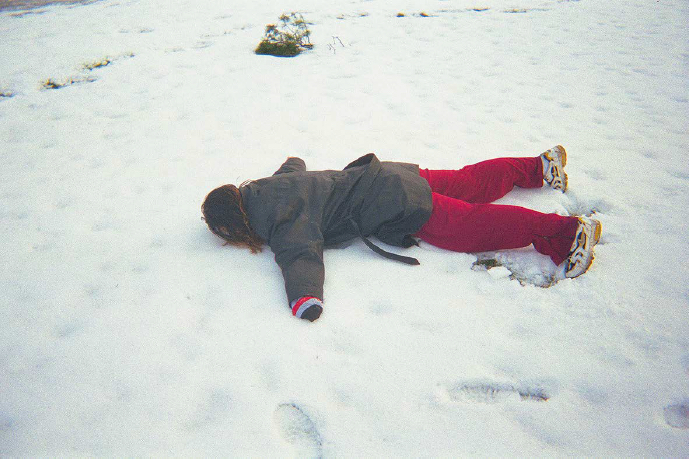
2026Belongings
Kodokushi or lonely death is a Japanese phenomenon of people dying alone and remaining undiscovered for a long period of time. First described in the 1980s, it has become an increasing problem in Japan, attributed to economic troubles and Japan's increasingly elderly population.
This short film was created in collaboration with a kodokushi company, an elderly care service specialising in the sensitive process of clearing the homes of the deceased.
It is dedicated to a Japanese friend whose life inspired its creation.
2026MADAME BONJOUR
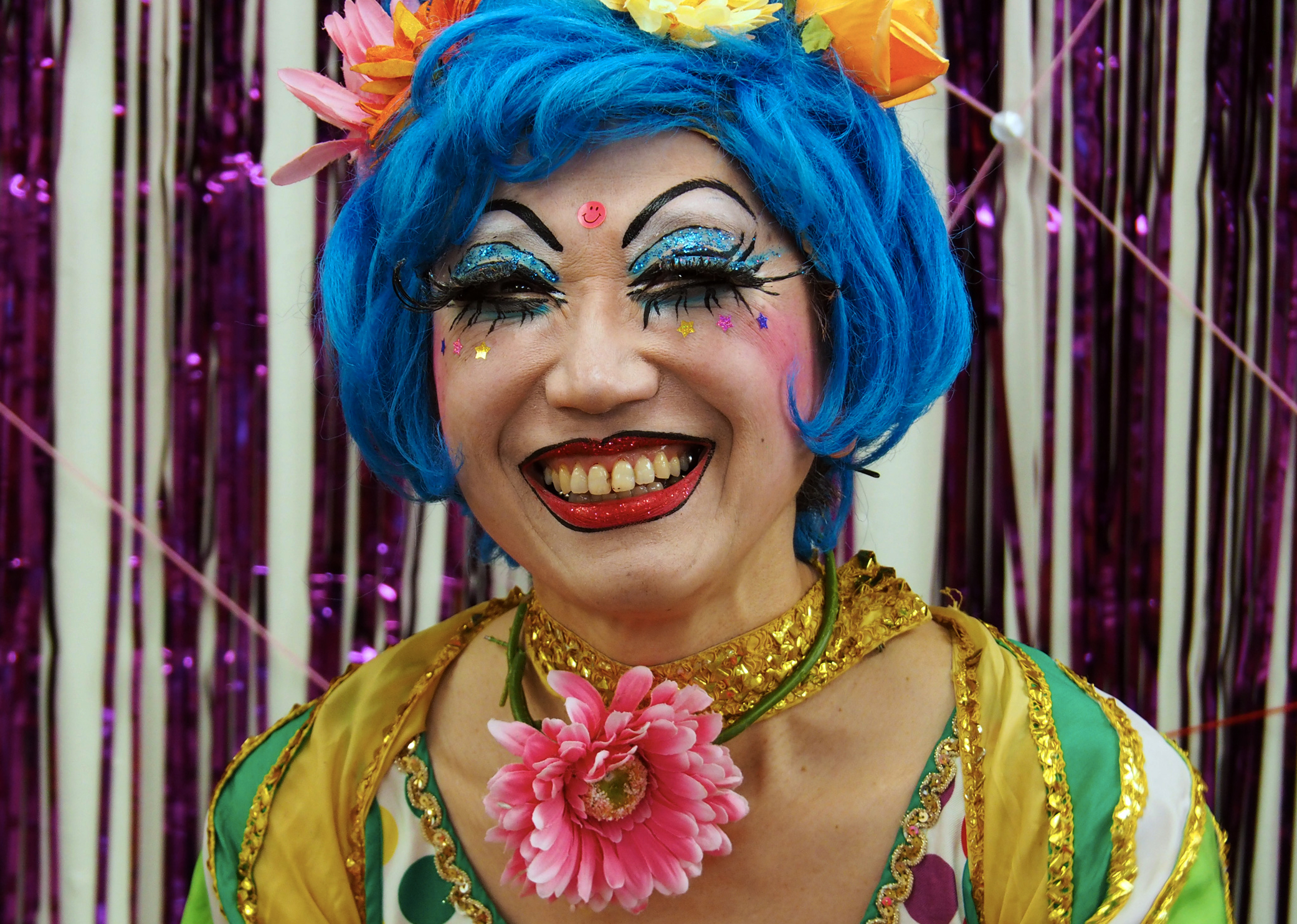
Madame Bonjour JohnJ (Jun Araki) is a charismatic Japanese figure whose life moves between two interconnected spheres: social activism in support of the LGBTQ+ community at Tokyo’s Akta Community Centre, and artistic performance.
Through their reenactment of "Un anno d'amore", a drag homage to Pedro Almodóvar's "High Heels", the short film reflects on identity as a fluid and performative process, not something fixed or given once and for all, but something consciously constructed, negotiated, and continually transformed. "MADAME BONJOUR" documents the transition from the normative rigidity of the office worker to the sculptural exuberance of the drag queen. This metamorphosis is neither mimesis nor an escape into disguise, but rather a political and existential act that challenges the static nature of the roles imposed by society.
Madame Bonjour JohnJ claims a self that is continually renegotiated through the body, the voice, the gesture, and the encounter with the gaze of others. They inhabit the unstable threshold between authenticity and performance, vulnerability and theatricality, revealing these categories to be not oppositional, but mutually implicated.
2019The Little Lantern
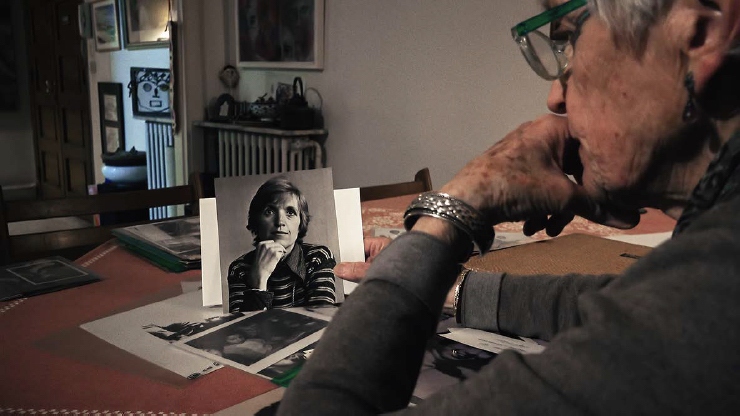
The last movie of the trilogy “BAYT” (HOME) portraying three women from Syria, Tunisia and Lebanon, “The Little Lantern” tells the story of Anni Høver Kanafani, an 84-year-old Danish woman, who moved to Lebanon in the 1960s for the love of the Palestinian writer Ghassan Kanafani. Following the death of her husband, Anni Kanafani pursued his dream of justice and integration, continuing to live and work in Palestinian camps, creating kindergartens dedicated to education and childcare. The film is titled after a fairy tale Ghassan Kanafani had written for his niece Lamis, a metaphorical narration of the development of bottom-up democracy, envisioning a “Palestinian spring” that will break the barriers of refugee camps and overcome indifference through non-violence, dialogue, and culture.
The narrative frame of the film consists of a laboratory, conceived and coordinated by the artist Mario Rizzi, in the kindergarten created by Anni Kanafani in the Burj el Barajneh refugee camp, which ended with the staging of the theatrical adaptation of the Ghassan Kanafani’s fairy tale – an adaptation by the artist himself – in two theaters in Beirut. The documentary style and that of the fictional story alternate as do the two narrative times, that of a painful past and a present where this pain finds its meaning.
2018Zarifa
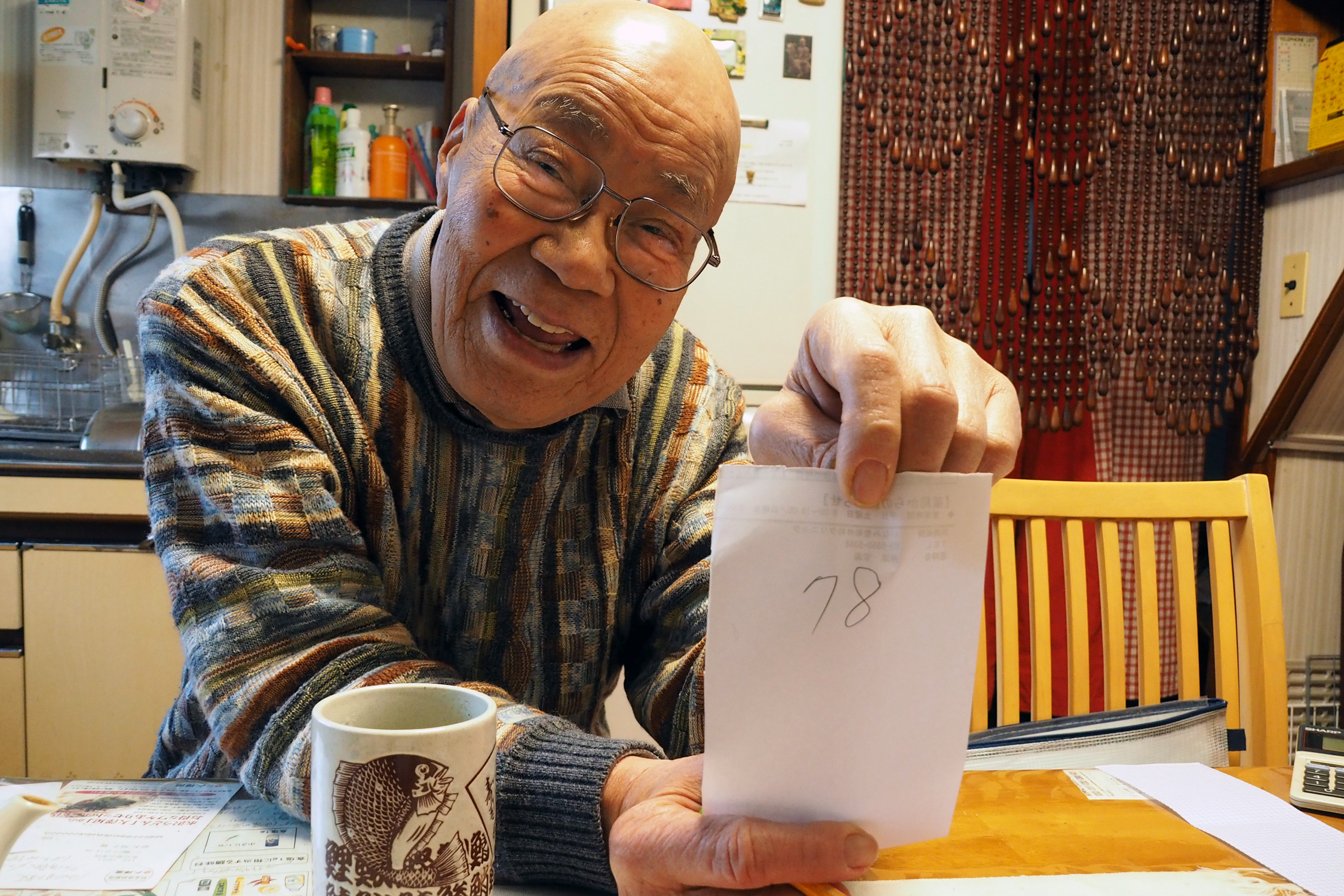
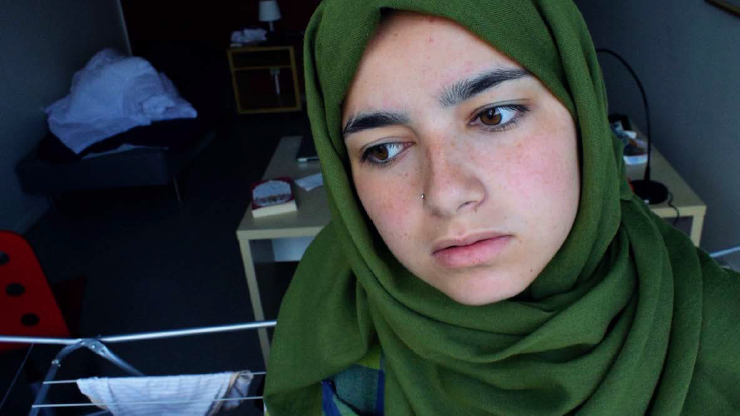
Zarifa is a young woman in limbo between her two cultures, Maltese and Syrian, and in search of her own identity. A five-month period of study abroad coincides with the untangling of her family constraints, the discovery of love and the empowering of her creativity.
Her own vlog contributes to the reveal of her intimate portrait.
2016August 3rd
The crux of this photography series is the writing »3/8/2014« on the wall of a container, accentuating the USAID sticker just above the date, in a Yazidi camp for internally displaced refugees in Iraqi Kurdistan. This date cicatrized on the wall marks the day of the massacre of the Yazidis, and the enslavement of young women, by the militant groups of the self-proclaimed Islamic State, one of the darkest chapters in contemporary history.
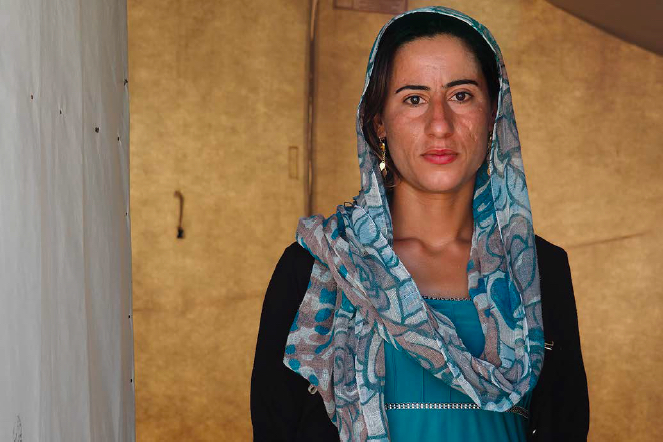
The other six photographs are portraits of young Yazidi women next to their tents. Their blunt however gentle and inscrutable gazes emerge in their modest dignity and resilient femininity. They hide much more than they reveal, certainly the terror they have witnessed and a tacit condemnation of the world that has not been able (or didn't want) to protect them.
2016Idomeni
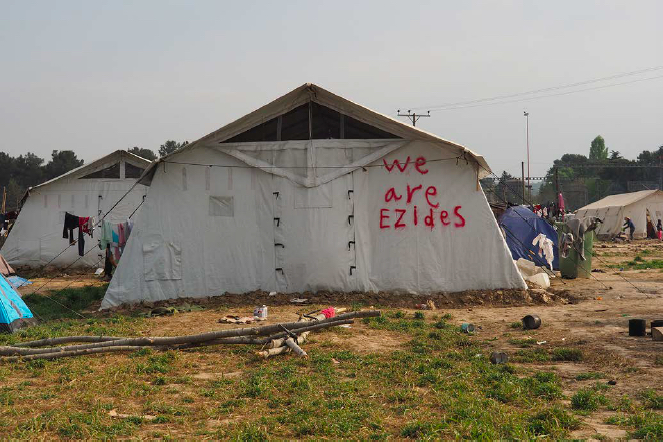
Idomeni is a small village in Greece near the border with North Macedonia, where improvised transit camps were forming in the last months of 2015, and until the summer of 2016, with thousands of refugees. They remained stuck on their journey of hope to wealthier countries of Northern Europe, following the closure of the Macedonian border on the express request of the European Union.
Each photograph narrates a moment of their daily life, always lived with dignity and resilience, although in a condition of precariousness and of emotional lability. In this no man's land, a space outside of time, life is halted and the days are filled with anxious, yet hopeful waiting.
2015The Outsider
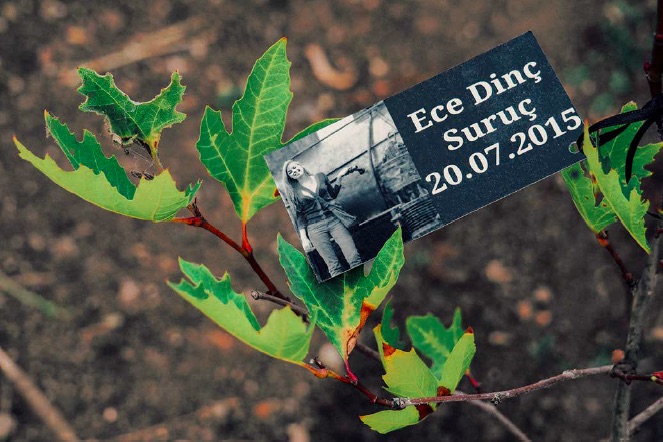
Gezi Park Resistance brought together individuals from a broad political and social spectrum, many with no prior history of activism, providing a stage on which different actors displayed their ideals and performed collectively new forms of citizenship.
What remains two years after the euphoria of Gezi days? Whose place, whose memory, whose language is part of the political agenda in today’s Turkey?
The film, shot throughout summer 2015, delves into the social contract established in Gezi community and the new forms of public agency explored in/after Gezi. It makes this by focusing on the group dynamics and narratives as well as the individual interactions within three civil movements: Northern Forests Defense, an environmentalist group acting against the neoliberal exploitation of the main Istanbul’s natural lungs; Kamp Armen, a non-violent occupation protecting an historical Armenian orphanage; and the Istanbul’s LGBTQIA+ community, which acquired a higher social visibility after Gezi.
2014Kauther
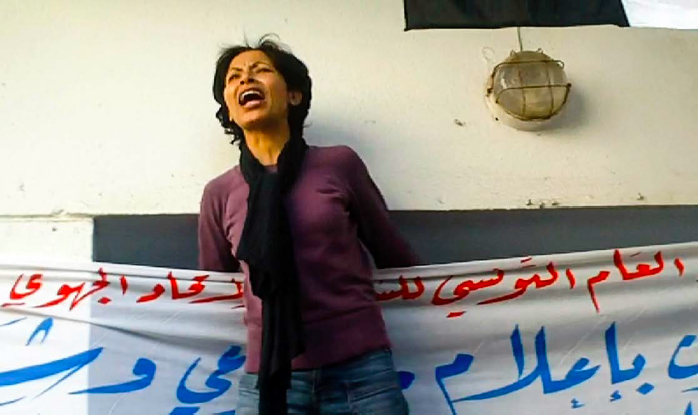
"Kauther" is the second film in the trilogy BAYT ('home'), focusing on the emergence of a new civil consciousness in the Arab world, examining shifting narratives of uprising and the problematics of representation. The trilogy deliberately moves away from strictly political aspects to explore the often-disregarded impact on private lives and human relations, taking a personal viewpoint centered on the role of women within the family and changing Islamic society. It highlights, in contrast to Western biased narratives, that women have been at the forefront of the region's revolutions, acting as the most active organizers and leaders, both online and offline, since the early days of the improperly called 'Arab Spring'.
The film's protagonist is Kauther Ayari, the first activist to give voice to Tunis rioters on Jan 8, 2011, speaking passionately from a trade union building window to incite comrades towards freedom, social justice, and democratic change. Kauther's personality is revealed through a long, intimate monologue delivered directly to the camera over several days in a bare room. With absolute openness, she discusses her youth, university years, social and political engagement, the build-up to 2011, and the conditions of being a woman today in present-day Arab society. Though a mother of four, her idealism and civil consciousness remain vibrant, even as she now prioritizes her family's needs despite her past courage in speaking out when Ben Ali's resignation seemed unimaginable.
Her powerful recounting provides a unique and insightful perspective on Tunisian identity and familial structures. However, Kauther's words are tinged with sadness and a sense of powerlessness as she expresses disappointment in the public's increasing ambivalence towards the revolution and its proponents. Resigned to the uncertainties of her former unsettled life, the initial narratives of euphoria and utopia are overshadowed by a felt betrayal, diminishing her self-confidence into mere wistful memories.
2013Al Intithar (The Waiting)
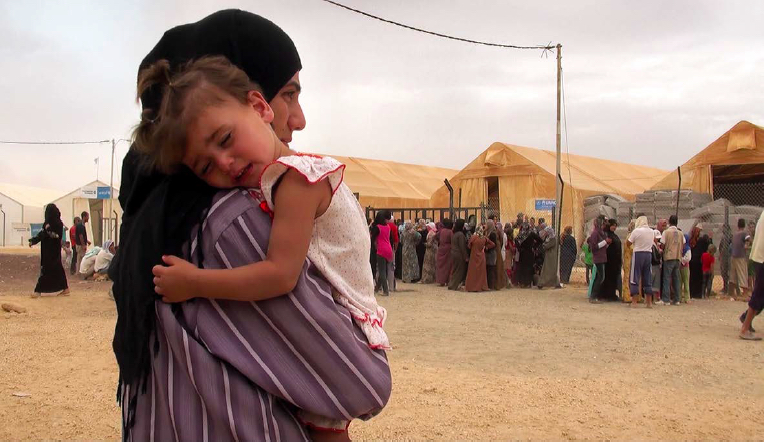
“Al Intithar” is the first film of the trilogy BAYT ('home'), winner of the Sharjah Art Foundation Production Grant 2012.
The concept of bayt is inspired by Anthony Shadid’s “House of Stone”, where he writes that “Bayt translates literally as house, but its connotations resonate beyond rooms and walls, summoning longings gathered about family and home. In the Middle East, bayt is sacred. Empires fall. Nations topple. Borders may shift. Old loyalties may dissolve or, without warning, be altered. Home, whether it be structure or familiar ground, is finally the identity that does not fade.”
In “Al Intithar” the notion of home has become a sensitive matter in the life of the protagonists, as they had to leave their own. Home is no longer a rooted existence or a solid place for the female protagonist, Ekhlas Alhlwani, but instead becomes a tent, having been forced to flee Syria to Zaatari, the refugee camp in the Jordanian desert. The film, which presents itself as an excerpt, follows her life throughout a period of seven weeks, translating the tragic macrocosm of the Syrian war to the intimate microcosm of a relentless woman and her three children.
Al Intithar premiered in competition at Berlin International Film Festival 2013.
2012KAZIN AYAGI (Actually, that's not the case)
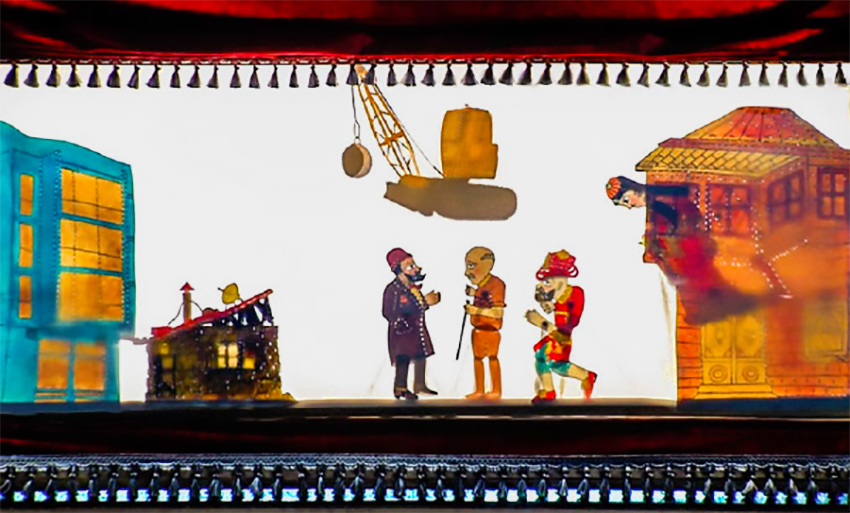
The film "Kazın Ayağı" ('The Goose's Foot') deconstructs the theatre play "Actually, that's not the case" and reflects on the creative and production processes, as well as the characters involved. While drawing on diverse performative languages, the play's screenplay is fundamentally structured around a Karagöz shadow theatre script.
Adapted in collaboration with master puppeteer Emin Şenyer, the script draws inspiration from the histories and memories of displaced people living in Istanbul neighbourhoods that are undergoing top-down urban transformation (Ayvansaray, Balat, Fener and Tarlabaşı).
In the first stage of the project, these narratives were recorded to highlight under-noticed situations of social distress. They explore the effects of displacement on individuals, the urban fabric, and the complex interplay of gender, ethnicity, and class dynamics, using the protagonists' own language.
The choice of Karagöz shadow theatre, a form often associated with children, reflects its potential as a two-dimensional medium for addressing contemporary social issues with an adult audience. Furthermore, the inherent conflictual dynamics and balanced coexistence between Karagöz and Hacivat provided a framework through which to explore notions of power, authority, and submission via humorous and basic situations. Turkish shadow theatre was explored as a historical platform for political performativity within popular culture and adapted with a mix of visual and textual registers, including references to films such as Raj Kapoor’s "Awara" (1951) and Plato’s allegory of the cave.
The play's artefacts, including over thirty handmade leather puppets, a custom-crafted stage and screens, were created from original drawings inspired by the characters interviewed. These elements form the basis of the film's deconstruction.
2008The Chicken Soup
On the catalog of Taipei Biennial 2008, Vasif Kortun wrote on “The Chicken Soup”:
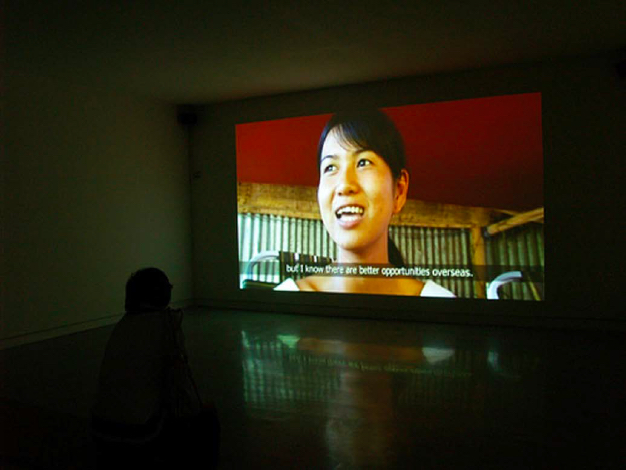
"Mario Rizzi worked in Taipei and in Vietnam for three months. The work focuses on the stories of two foreign women living in Taiwan, an Indonesian and a Vietnamese. Rizzi brings to the fore the specific conditions lived by an Indonesian foreign worker who was obliged to work 21 hours a day and abused on several occasions and a Vietnamese woman who lived through a fake marriage, was abused, sold and trafficked while in Taiwan. The individual accounts of these two women describe the horrific deterioration of the conditions imposed upon them, and their courage and resilience in redeeming their integrity.
Here, as is often the case in many cultures, gender prejudice and profiteering have flourished under the protection of so-called 'tradition'. Hence, the lives of many migrants are violated by the oppressive frameworks of brokers, who conduct their business outside the rule of common law, and who are not visible to the society at large in the global economy. The intimate and private stories of these two women reflect not only the conditions of the human market, but also their sentiments and their disempowerment in Taiwan's male-dominated culture.
The title "The Chicken Soup" is an analogy for the daily psychological pressures exerted on the foreign bride. After giving birth, a woman is not normally allowed to do any housework for one month. The mother-in-law cooks sesame-oil chicken soup on a daily basis because it is believed to help the body restore its energy. Often a bride coming from a different cultural background does not find the soup palatable. But she doesn't have the option to refuse the mother-in-law and she doesn't know the language.
Rizzi’s film navigates the awful and merciless line where saying no is absolutely necessary and yet at the same time entirely out of the question.”
2008Limina
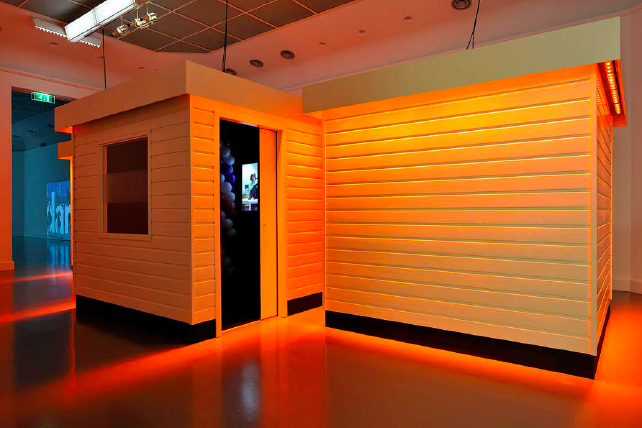
Titled "Gefeliciteerd" — the standard Dutch congratulatory expression for obtaining citizenship — my 2008 film installation for the "Be(com)ing Dutch" exhibition at the Van Abbemuseum in Eindhoven offered a critical examination of national identity within a multiethnic Dutch society.
The work comprised six films installed within three small wooden houses, an architectural choice referencing the provisional housing typically assigned to asylum seekers in the Netherlands. This spatial arrangement immediately grounds the conceptual inquiry in the material reality and lived experience of migration and the process of seeking belonging.
One of the included films, "Limina," provides a sharp focus on the performative aspects of integration. It depicts 'aliens' undergoing instruction to become Dutch citizens, learning to perform their new selves. Through this depiction, the installation conceptually dissects how cultural habits and customs—elements that authentically constitute and bind communities—can be reduced to hollow, even ridiculous gestures when stripped of their organic context and presented as mere acts to be learned and performed for assimilation.
"Gefeliciteerd" thus utilizes its title's ironic congratulation, its potent architectural setting, and the focused critique within films like "Limina" to question the very notion of acquiring a national identity. It suggests that 'becoming Dutch' may involve a superficial performance that highlights the potentially artificial nature of forced assimilation processes, prompting viewers to reflect on authenticity, belonging, and the constructed nature of national identity in a diverse society.
2008Al-Hubb (Love)
"Al-Hubb" is one of six short films that comprise the installation "Gefeliciteerd," a work first exhibited in 2008 at the Van Abbemuseum in Eindhoven as part of the exhibition "Be(com)ing Dutch." Titled after the Dutch congratulatory phrase used for new citizens, "Gefeliciteerd" is a critical examination of national identity in a multiethnic Dutch society, with the films installed within small wooden houses evocative of housing for asylum seekers.
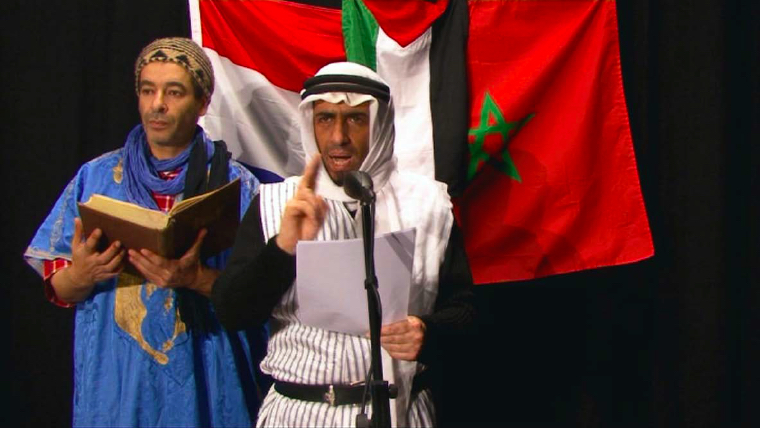
Within this broader context, "Al-Hubb" serves as an exploration of fear, language barriers, and perceived cultural-religious divides. The film features two Dutch theatre actors of Moroccan and Palestinian origin, who proclaim St. Paul's "Hymn to Charity" from the New Testament in Arabic.
This recitation is delivered in a style mirroring the traditional reading and singing of the Quran, conceptually merging texts and performative styles from distinct religious traditions and drawing upon the recognition of the New Testament within Islamic tradition.
"Al-Hubb" creates a deliberate artistic situation designed to confront the viewer's discomfort. No translation is provided for the Arabic proclamation, and the audience is intentionally permitted to enter the viewing space only at the film's commencement. This imposed lack of context and linguistic access immerses the viewer in a state of unknowing. Through this artistic choice, the film directly addresses the fear of the unknown—specifically, the apprehension surrounding the Arabic language and, by extension, anxieties often projected onto Muslim identities. By presenting a universally recognized text on love within an unfamiliar linguistic and performative framework, "Al-Hubb" challenges viewers to confront their own prejudices and discomfort, urging a reflection on how fear can stem simply from a lack of understanding of that which is perceived as 'other'.
2008Taqueria
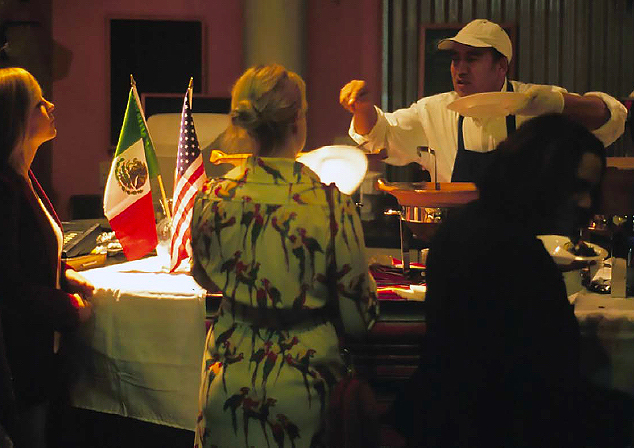
For the re-opening exhibition "Something from Nothing" at the Contemporary Arts Center in New Orleans, a city profoundly marked by Hurricane Katrina's devastation, this project directly engaged a group of 'illegal' Mexican immigrants residing in New Orleans—a community whose labor was vital, yet often invisible, in the city's actual post-Katrina reconstruction following the tornado outbreak.These immigrants were employed not merely as builders, but as active participants in reconstructing, refurbishing, and reactivating the museum restaurant, transforming it into a modern and efficient taqueria.
The installation extended beyond physical renovation; it incorporated the personal narratives and cultural presence of the participants through their photographs and recordings displayed within the space of the museum, integrating their memories and identities into the institutional fabric. Further challenging conventional roles, members of the group were also hired as the taqueria's ongoing staff—cooks, waiters, and deejays—making the installation a living, operational entity.
The work critiques the invisibility of this essential workforce, grants agency and visibility by centering them within the museum space, and subtly challenges institutional economics—the entire project was realized for less than half the budget initially allocated just for the opening reception, underscoring the undervalued nature of the labor and creativity involved.
2007impermanent
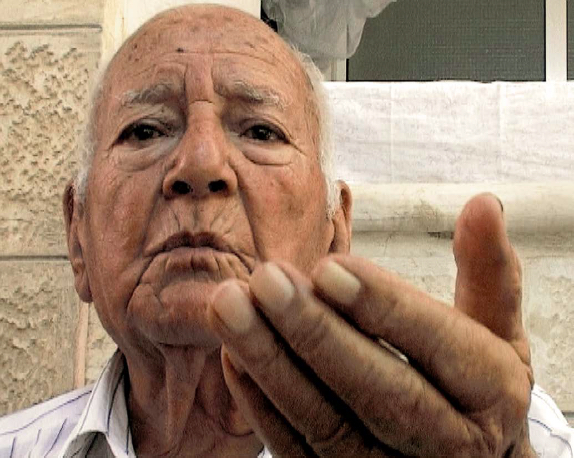
Ali Akilah’s tone of voice and the historical events he evokes make him a true epic poet. His words are infused with a sense of uprootedness and permanent impermanence. A two-time Palestinian refugee, in 1948 and 1967, Akilah was born and lived in Lifta, the Palestinian village whose area today corresponds to West and North Jerusalem. Graduated in Medicine in Beirut, he worked as a doctor in Haifa until 1948. His memories go back to when the Ottoman Turks abandoned Palestine at the end of World War I. At the moment of filming, he was 96 years old and lived in Amman, in Jordan.
The film premiered in competition at the 2008 Berlin International Film Festival.
2007neighbours
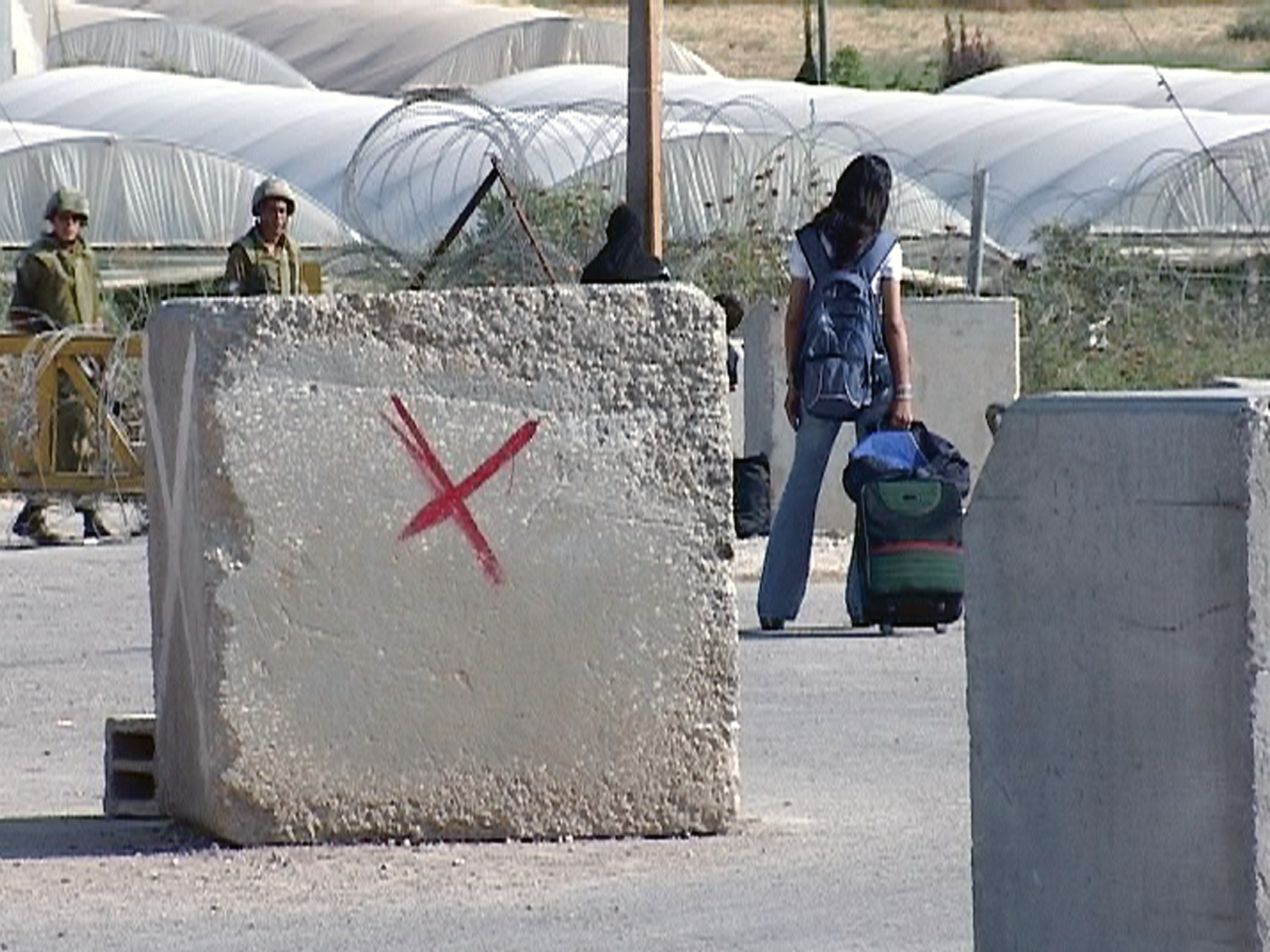
In 2006, I spent four months in Israel and Palestine following the untold, everyday stories of those who share the same landscape as neighbours while being separated by checkpoints, walls, and an architecture of occupation.
I filmed what resists and persists within this reality: a Palestinian father who turns the death of his child into a gift of life for Jewish children through organ donation; an activist in Hebron who considers himself the Palestinian Gandhi and confronts the occupation through non-violence; a village watching Italy-Germany on a flickering television powered by a generator, enclosed between two walls and without electricity; the last standing houses of the depopulated village of Lifta, on the edge of Jerusalem, threatened by speculative development and the erasure of history; the destruction of Edward Said’s family house in Jerusalem; the story of Hanadi Jaradat’s family and of Tali Fahima, a Mizrahi Jewish woman imprisoned in Israel for befriending Zakaria Zubeidi in Jenin and publicly refusing targeted assassinations. Alongside these, I followed Russian Jewish women’s fierce grassroots activism, a Jewish architecture student building an ordinary future in the settlement of Ariel, and the inventive, stubborn ways people live beside the wall in Qalqilya.
In the six-screen installation "neighbours", I approach occupation as a structure of oppression, yet refuse to reduce Jews to oppressors or Palestinians to victims, insisting instead on singular bodies, gestures, tenderness, refusal and dissent, so that this polyphonic field of images unsettles official binaries and asks each viewer to re-edit the work within themselves.
2006nextdoor
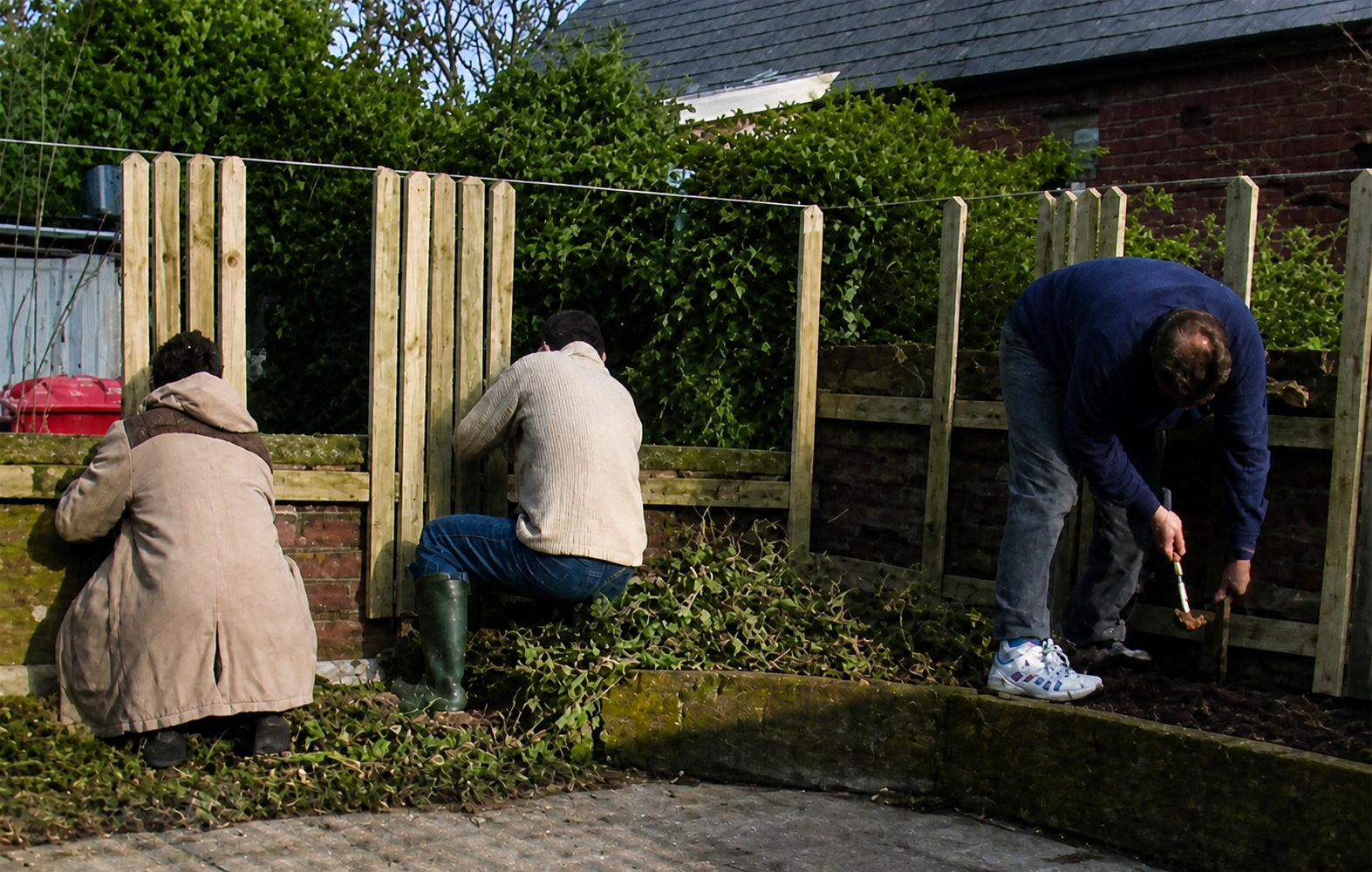
“nextdoor” is a reflection on the persistent impulse to place difficult realities in the lives of others, as something that happens close by yet remains safely elsewhere.
Developed in Limerick, the work brings together voices from the city and the local prison. Participants were invited to share stories, rhymes, dreams, and regrets, tracing an intimate and fragmented portrait of everyday life. As these memories cross and echo one another, they begin to form unexpected connections, where different experiences touch, overlap, and briefly align.
The work engages with experiences often relegated to the margins or constructed as other, including life imprisonment, domestic violence, HIV/AIDS, physical and mental disability, human trafficking, poverty, old age, violence against children, and the complexities of immigration. By juxtaposing and re-enacting these stories, "nextdoor" holds on to their intimacy while allowing them to shift into something shared, where the personal opens onto the collective without losing its specificity.
Faced with the ethical limits of direct representation, the installation moves through a series of mediated forms. Theatre re-enactments, developed with a local group, coexist with a recurring choreographic action by the Daghdha dance company, in which the building of a wall becomes a persistent and fragile image. Animation, created through workshops with participants from a center supporting individuals who experience difficulties engaging with everyday reality, introduces another layer, translating the stories into drawn sequences.
The work unfolds through a continuous shifting between distance and proximity, where stories, bodies, and images intersect. This network of interactions gradually implicates the viewer, provoking empathy and identification, or distance and refusal.
2005PINK!
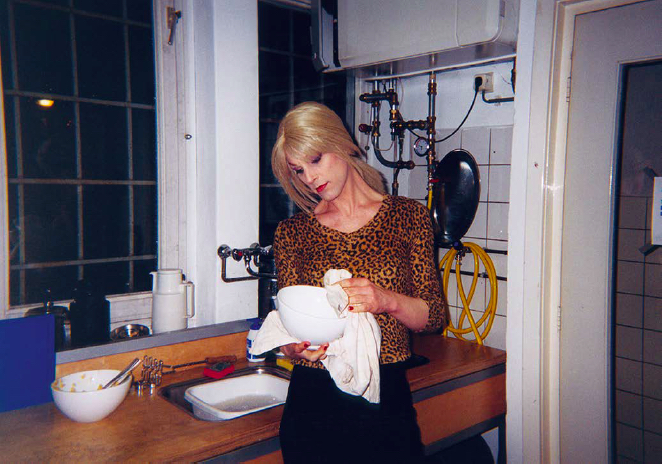
Addressing the ongoing reality of discrimination, hate crimes, and police harassment faced by LGBTQIA+ individuals in Turkey, this project confronts a situation extensively documented in a myriad of dispersed sources—from newspaper articles and police reports to medical records—which together attest to the serious physical and moral violence endured daily. In response, the project undertook the crucial task of collecting a selection of these fragmented documents. This gathered evidence of systemic violence was then compiled and published in a book titled "PINK!".
Significantly, the book also incorporates photographic portraits of the LGBT individuals who collaborated throughout the research process. This strategic inclusion creates a powerful juxtaposition: placing the often impersonal, official language of reports and records alongside the personal presence and individuality captured in the portraits.
Conceptually, "PINK!" functions as a counter-archive, assembling scattered traces of violence to bear witness and make visible a reality that is both widespread and often deliberately overlooked or downplayed. The juxtaposition of document and portrait serves to humanize the statistics and case details, restoring agency and presence to individuals who might otherwise be reduced to entries in official records. The title itself, "PINK!", potentially reclaims a symbol of LGBTQIA+ identity to frame a collection that courageously presents harsh realities.
2005Murat ve Ismail
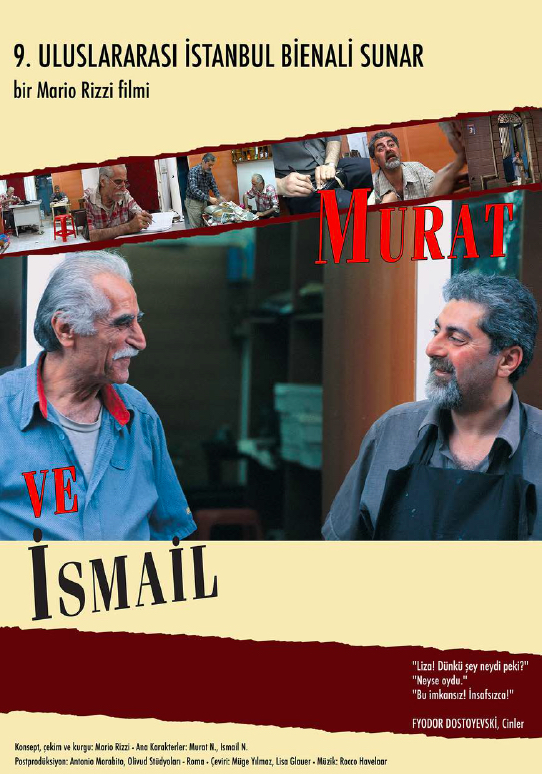
The film “Murat ve Ismail” is focused on a single family-run shoemaker’s shop in the Istanbul’s neighborhood of Beyoglu and depicts two lives, the father(Ismail) and his son (Murat), caught up in the economic transformations ripping through Istanbul.
As the nature of the relationship between them gradually emerges, we are introduced to other characters that visit the shop and try in different ways to take advantage of their difficult economic situation.
“The film needs to be seen as a narrative from beginning to end. It has some of the appearances of a recording of reality, but its drama and emotional perception are almost too intimate to be true, pushing us to question where the border between fact and fiction is drawn.” (Charles Esche in: "9th International Istanbul Biennial", 2005)
2005Out of Place
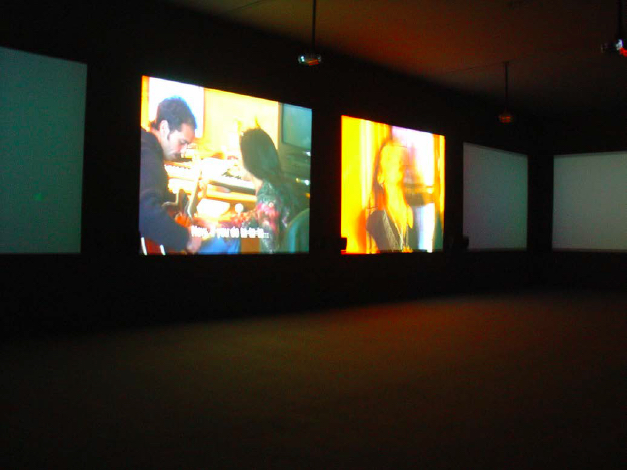
This six-screen video installation, winner of the Best Artist Prize at the Sharjah Biennial in 2005, offers a nuanced portrayal of the lives of first and second generation immigrants in Paris. The work delves into the complex tapestry of relations and captures the subtle poetry embedded within their everyday experiences in a highly multicultural European metropolis.
The installation questions the fluid and shifting meaning of belonging in our increasingly globalized world. It employs a deeply intimate and performative approach, wherein the subjects themselves actively participate, literally enacting moments and aspects of their own lives on screen. This performative dimension underscores the construction and negotiation inherent in forming identities and finding a place within a new cultural landscape.
Conceptually resonant with Edward Said's memoir "Out of Place", the installation echoes this exploration of displacement and the complex process of coming to terms with a multifaceted self that transcends singular national or cultural definitions.
Through its multi-screen format, which allows for layered narratives and perspectives, and its commitment to intimate, performative engagement with its subjects, the installation highlights both the challenges and the unique richness found in navigating multiple identities and the persistent human search for a sense of place when seemingly out of place.
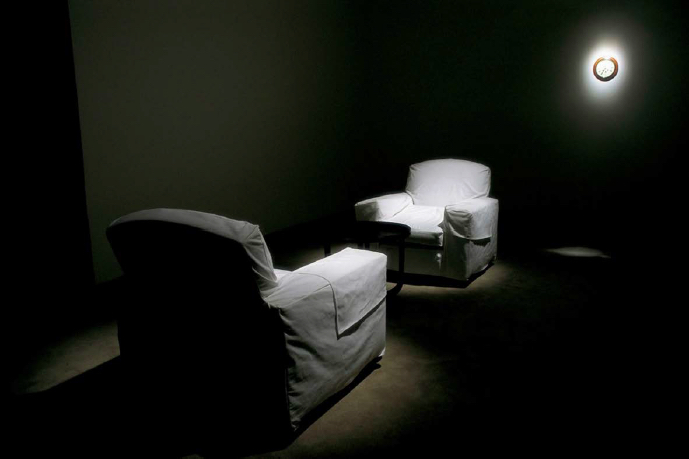
2004The Sofa of Jung
“It is a sound installation. These meticulously furnished and detailed rooms bear the uncanny déjà vu of a simulacrum, a recreation of Carl Jung’s psychoanalytic studio. It is an affective space, in which our movement in it activates fragments of spoken narrative, reflections and personal observations.
If we are prepared to commit ourselves to the work, to give it the time it deserves, we can piece together an account of a complex psycho-drama of sublimated passion involving Jung and his first patient Sabina Spielrein. The other voice we hear is that of Sigmund Freud, whom Jung approached to help resolve his problematic obsession with his patient.
We become part of the work the second we enter the space, conceptually orienting ourselves to it, adjusting to its ambience and figuring out its modes of interaction. The interactive experience of the work is subtle and sophisticated. Rizzi’s principles of interaction for The Sofa of Jung were simple but not overwhelming, designed to enable visitors to encounter ways of becoming involved in an unseen, ambient world of sound.
Rizzi has explored the theme of reason and emotion, creating dual spaces of mind (Jung’s studio) and feeling (the analyst’s setting). In this setting the sofa is a notable absence.” (Darren Tofts in “Journal of Media Arts Culture”)
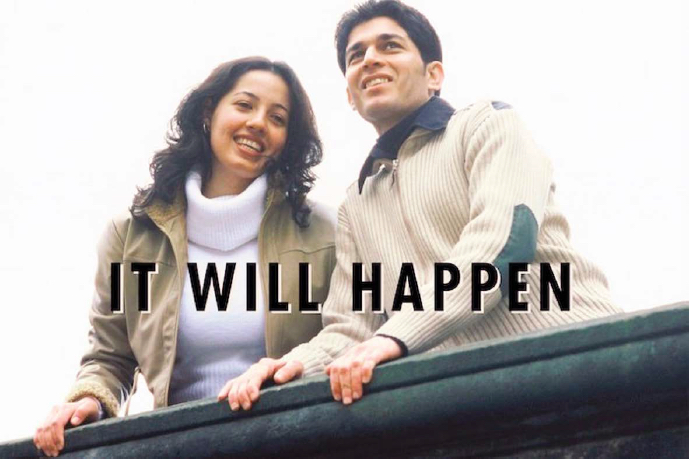
2003Art Makes It Happen
The project, begun in December 2002, consisted in the celebration of the wedding of two young Kurds living in Bamberg, Germany.
Due to the bridegroom’s Iraqi citizenship, to his unclear status in the absence of a permission of stay in the European Union and to the impossibility of procuring the papers required for the marriage from his home country, German public authorities had refused the couple the right to marry.
Through the accumulation of an incredible number of documents and multiple official meetings with various authorities, this right was re-established, and the wedding reception finally took place at Künstlerhaus Bethanien on 31 May 2003. Turkish and Kurdish communities living in Berlin were invited and enthusiastically enlivened the party.
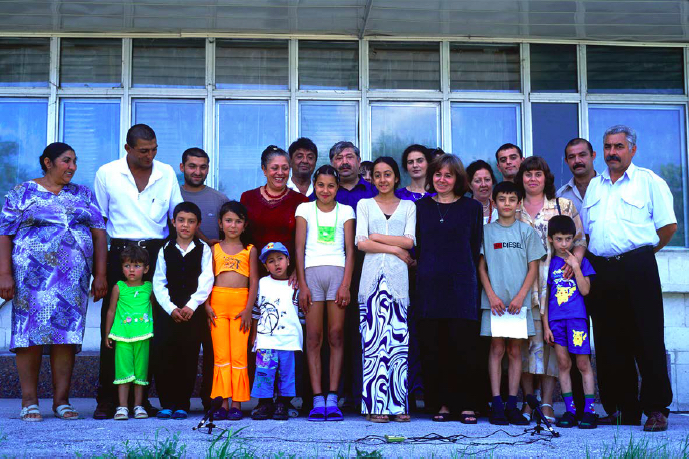
2003The darker the berry the sweeter it is
“During summer 2003 Rizzi travelled with the Rroms of Albania throughout the country. He lived with them and filmed them while narrating their “paramisa” (fairy tales). Rroms tell “paramisa” to link the present to the past and to reflect their philosophy of life. A strongly dramatic element of fantasy and a bitter sense of reality coexist in their stories.
The artist filmed and recorded story-tellers in their native Rromani language. The investigation on the Rrom community in Albania on the occasion of the second Tirana Biennial was presented at the National Gallery (in the room reserved for the bust of the country’s illustrious men) and commented on the oral tradition, values and customs of an ethnic group that has often been considered marginal, simultaneously creating an acute confrontation between official and officious history.” (Michele Robecchi in "2nd Bienalja e Tiranës", 2003)
2001the gift
During a three-month residency, 74 gifts were exchanged between Palestinians and Israeli Jews all over Israel and Palestine. Everybody was invited to choose an object connected to their personal history and to explain their choice in a text which was published in a book. At the conclusion of the project, two dinners were organised in Tel Aviv and Jerusalem: everybody cooked a recipe which was exchanged between them beforehand.
1999They tell me I am sick but I function good
Undertaken during a five-month residency in the Netherlands, this art project initiated a collaboration with the patients of the Den Dolder Judiciary Psychiatric Clinic. The artist gained authorization to individually accompany patients outside their institutional environment — their 'home/prison' — for several hours daily.
Patients were provided with disposable cameras and given complete freedom regarding their use. Through the act of photography, a new visual language emerged for communicating with the outside world from within a context of confinement.
The project culminated in a public exhibition of the patients' photographic work and the publication of an artist's book titled “They tell me I am sick but I function good”.